Acne can affect a person in many ways. It can be quite mild or quite severe. There are a number of things that can cause an acne breakout and they can be triggered by many things. Acne can often look different depending on the weather conditions or location where the breakout occurs.
There are many different kinds of acne that can develop at any given time. Different types of acne are more likely to flare up than others due to their particular effects on the skin. In order to understand what causes your acne, you will need to know a little bit about the skin and how it works.
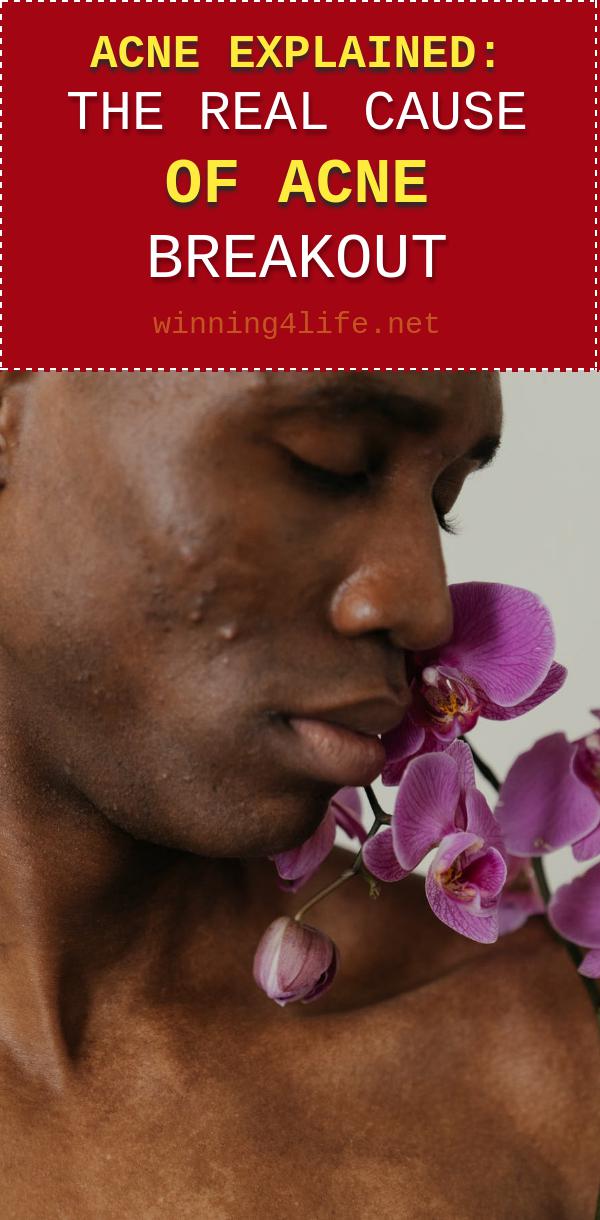
Your skin is the largest organ of your body. It is also the largest organ when compared to the rest of your body. The skin is composed of three layers: the epidermis, the dermis, and the subcutaneous layer.
The epidermis is the outermost layer of skin that contains connective tissue that contains cells. This connective tissue makes up the protective barrier between the dermis and the subcutaneous layers.
The outermost layer of skin is called the topmost epidermis, which is what we typically see when our skin bleeds and looks like a bruise. The uppermost layers of skin are the lower dermis, which contains both hair follicles and sweat glands. The subcutaneous layer is where most of the oil that collects under the skin is produced.
At times, when the body produces too much oil, this causes the cells to form a film on the skin. In these cases, the oil glands produce too much oil, causing the skin to break out. When the body becomes deprived of enough moisture, it produces an oil that clogs the pores.
There are many causes for acne and these include hormonal changes, stress, and hormone changes. Stress is also a major contributor to acne as it tends to disrupt the body’s normal functioning. Stress causes a hormone called cortisol to be released into the body.
The secretion of cortisol by the body causes bad bacteria to build up in the hair follicles. The human body has two main types of bacteria; good and bad. The good bacteria help the body maintain its own systems and keeps it from having to go out and get the bad bacteria.
The bad bacteria, however, takes advantage of the good bacteria and begin to destroy the good bacteria which in turn leads to acne breakouts. These bacteria can cause acne through several means, including scratching.
These bacteria can also be spread through airborne particles that get on the skin, so the best way to get rid of them is to remove them from the skin’s surface where they can not do any damage. Chemical peels and microdermabrasion are used to remove the acne, but they are not always successful.
In the end, it is important to treat your acne as soon as you realize that you have it, rather than letting it build up because stress and other external factors can make your acne worse. Acne is an unpleasant skin condition, but the good news is that it can be treated. If you are unsure of how to get rid of acne, try visiting your local dermatologist.